Published : 2026-09-07
Anyone who has travelled in northern China in winter may have experienced district heating: instead of installing individual heaters at home, heat is delivered to buildings through a shared network — a system that is both convenient and cost-effective.
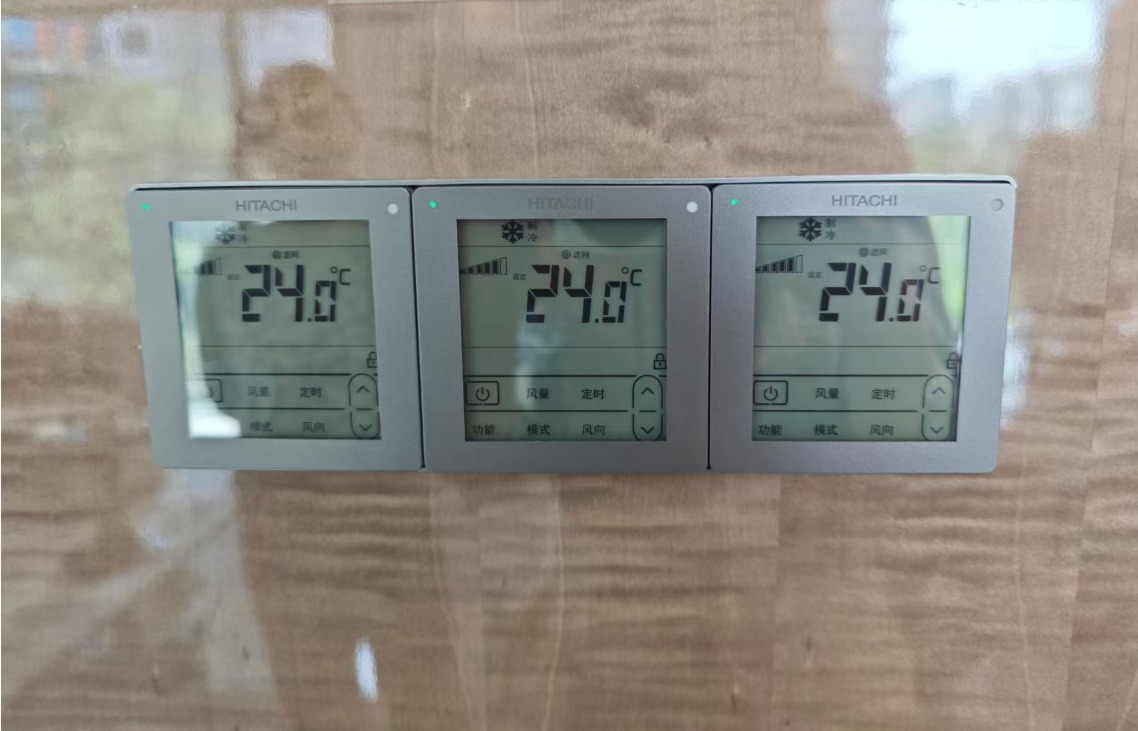
Now, the same model of centralised production and distribution is being adapted for summer. Cities across China are exploring district cooling, which could one day make rows of air-conditioning units outside new homes and office buildings a thing of the past.
What is district cooling?
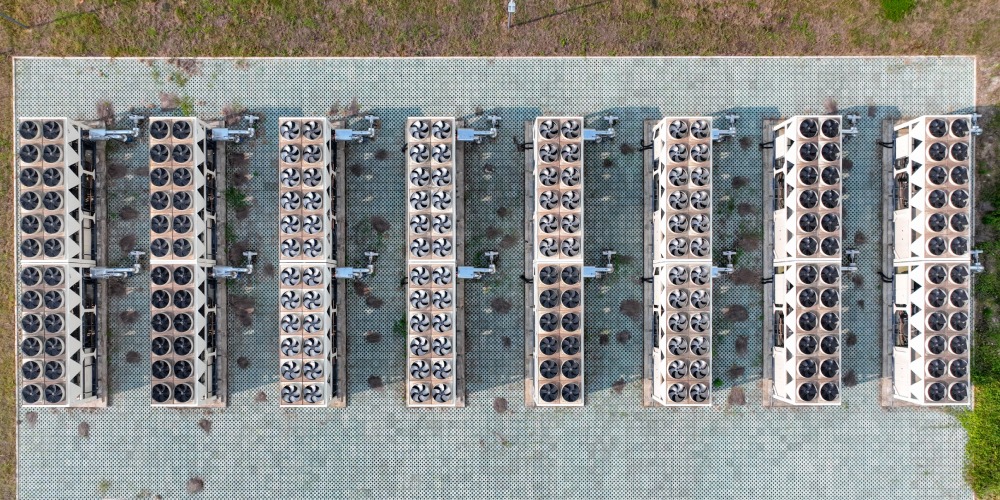
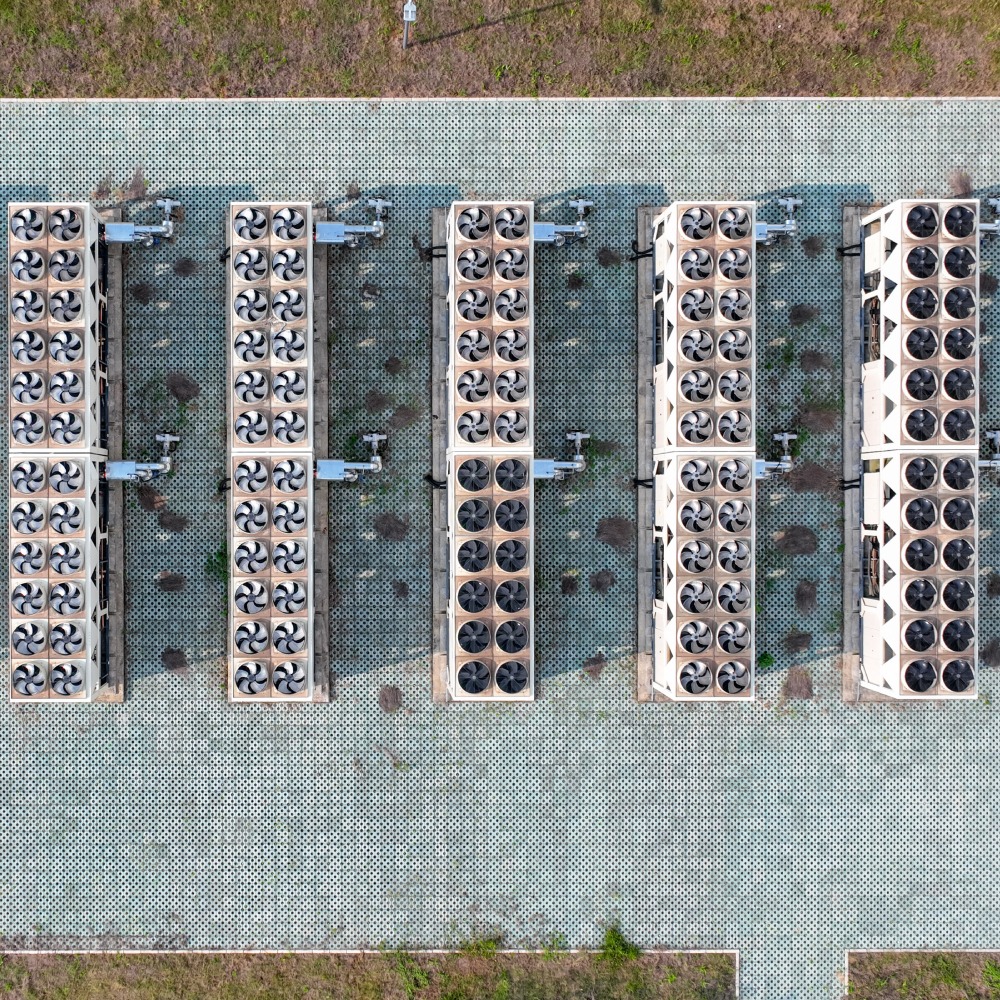
Traditional air conditioning is "each to their own", where every building and every family installs its own air conditioning equipment, which occupies space and consumes a lot of electricity.
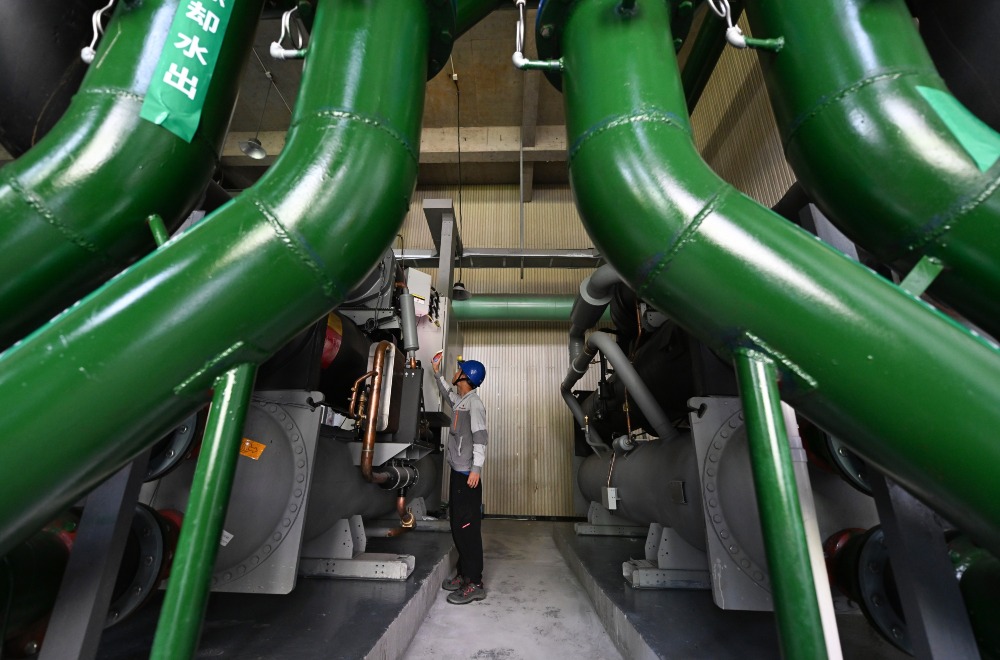
District cooling, however, adopts a different logic: chilled water is uniformly produced at a central energy station and delivered to various buildings through a network of underground pipes to create a cooling effect.
The operating concept of district cooling is similar to that of tap water, city gas, and electricity systems, and is considered one of the essential infrastructures of modern cities.
Its cooling core is not about "creating cold air", but about removing heat from indoors.
In northern regions that already have district heating networks, it is theoretically possible to form an urban energy network that provides "heating in winter and cooling in summer".
The principle is not complicated: in winter, hot water flows through the pipes to heat the houses, and in summer, the pipes are switched to chilled water to cool the houses.
Compared to traditional decentralised, the advantages of district cooling are clear: it reduces energy consumption, lowers noise and heat emissions from cooling towers, and can also balance peak electricity demand through centralised dispatch, making it a relatively new low-carbon functional approach.
The Yangtze River transforms into a "natural air conditioner"
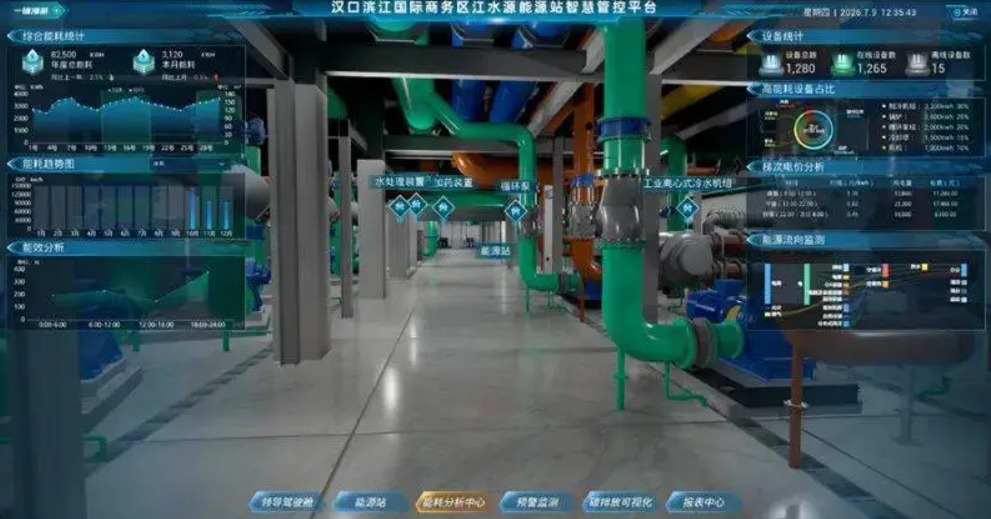
In the Hankou Riverside International Business District of Wuhan, Hubei's first district cooling and heating project using water from the Yangtze River as its source of cooling and heating has transformed the river water into an urban cooling resource.
In a water intake pumping station approximately 1.5 kilometres from the energy station, two pipes draw water from about 10 metres below the surface of the Yangtze River.
The river water, after being pressurised and filtered, enters the energy station to exchange heat with the circulating water in the system.
After the heat exchange is complete, the river water is returned to the Yangtze River along its original path, while the circulating water in the system goes to residences and buildings to provide cooling.
The entire process only involves heat exchange, does not consume water, and does not alter water quality or pollute the environment.
In other words, the Yangtze River acts like a giant natural "heat sink", helping to carry away the heat from inside the buildings.
The system is already providing cooling services to approximately 260,000 square metres of buildings; once fully completed, it is expected to serve about 2.1 million square metres of buildings in the business district, a scale equivalent to supplying stable heating and cooling to nearly 300 standard office buildings.
The environmental benefits are also considerable. After the project is fully operational, it is estimated to save 7,374 tonnes of standard coal and reduce carbon dioxide emissions by about 18,000 tonnes annually; compared to traditional central air conditioning, the comprehensive energy-saving rate exceeds 30%.
Incorporating district cooling into urban infrastructure
If Wuhan's distinctive feature is its use of the Yangtze River water, then Shenzhen's Qianhai demonstrates the district cooling model for a high-density new urban area.
As early as the initial stages of its development, Qianhai had already incorporated district cooling into its municipal special planning.
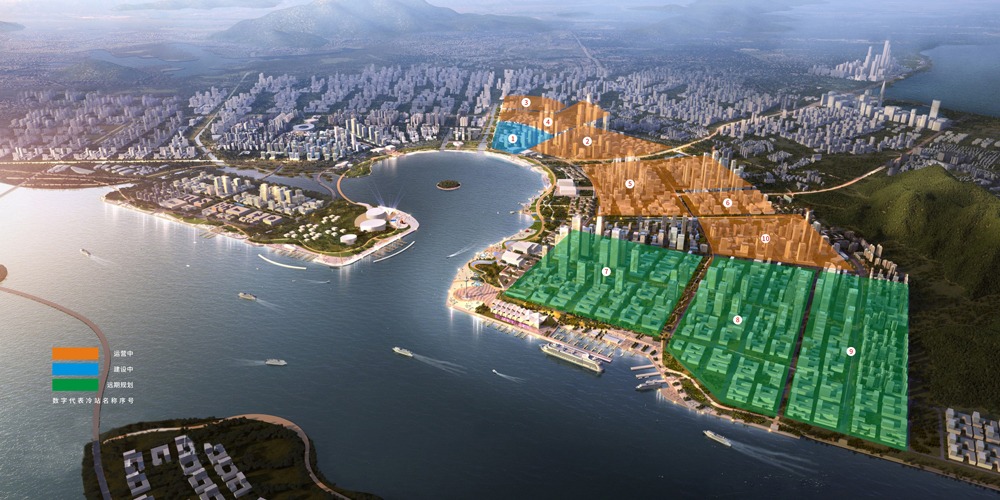
In the Guiwan, Qianwan, and Mawan areas, 10 cooling stations are planned for construction, with 6 currently in operation; office buildings, commercial buildings, hospitals, schools, government agencies, and museums have all been connected to the system.
The system also uses AI algorithms, combined with weather forecasts, historical data, and cooling usage patterns, to predict the next day's cooling demand; it then stores cooling capacity during the night when electricity prices are lower, and dispatches it according to demand during the day.
The interconnected pipe network between multiple cooling stations also allows for mutual support when individual stations are under high load.
According to calculations by Qianhai Energy, once all 10 cooling stations are in operation, the system can save approximately 130 million kWh of electricity annually and free up nearly 100,000 square metres of building space.
This shows that district cooling is not just a change in cooling methods, but also involves the reconfiguration of urban land, electricity peak-shaving, and energy management.
Why has district cooling not been rapidly popularised?
District cooling has obvious advantages, but it is not as simple as "replacing a normal split-type air conditioner with a water pipe".
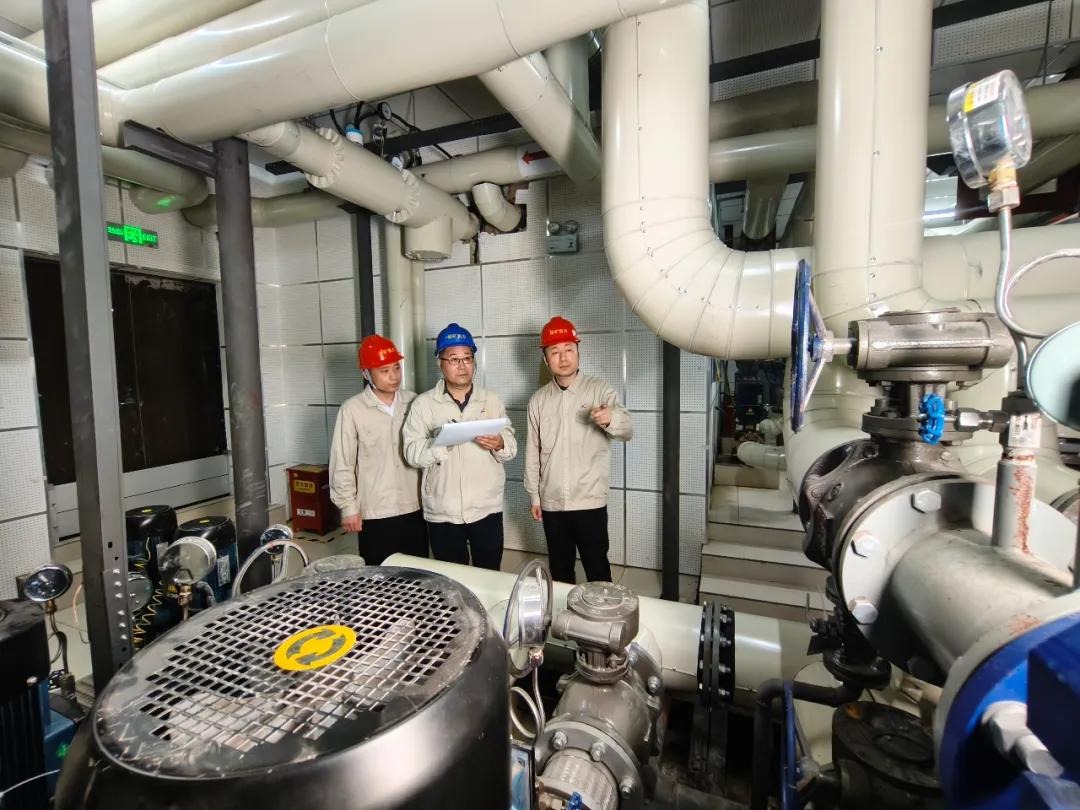
The biggest hurdle lies in infrastructure. District cooling requires the coordination of energy stations, underground cooling pipe networks, heat exchange stations, and terminal equipment inside buildings, making it particularly suitable for new urban areas or business districts planned from scratch.
For old urban areas with dense buildings and complex pipelines, and for existing residential buildings, the cost of re-laying pipe networks and retrofitting building equipment is high, and the difficulty of construction coordination is also great.
It is still too early to say whether air conditioners will disappear from our homes; but "river water air conditioning", smart cooling stations, and underground cooling networks have already presented another possibility for urban cooling.
Read more:
Green Silk Road: China's efforts to achieve sustainable development
China's UHV project: The world-leading "Electricity Highway"
Traditional fishery combined with photovoltaic power generation